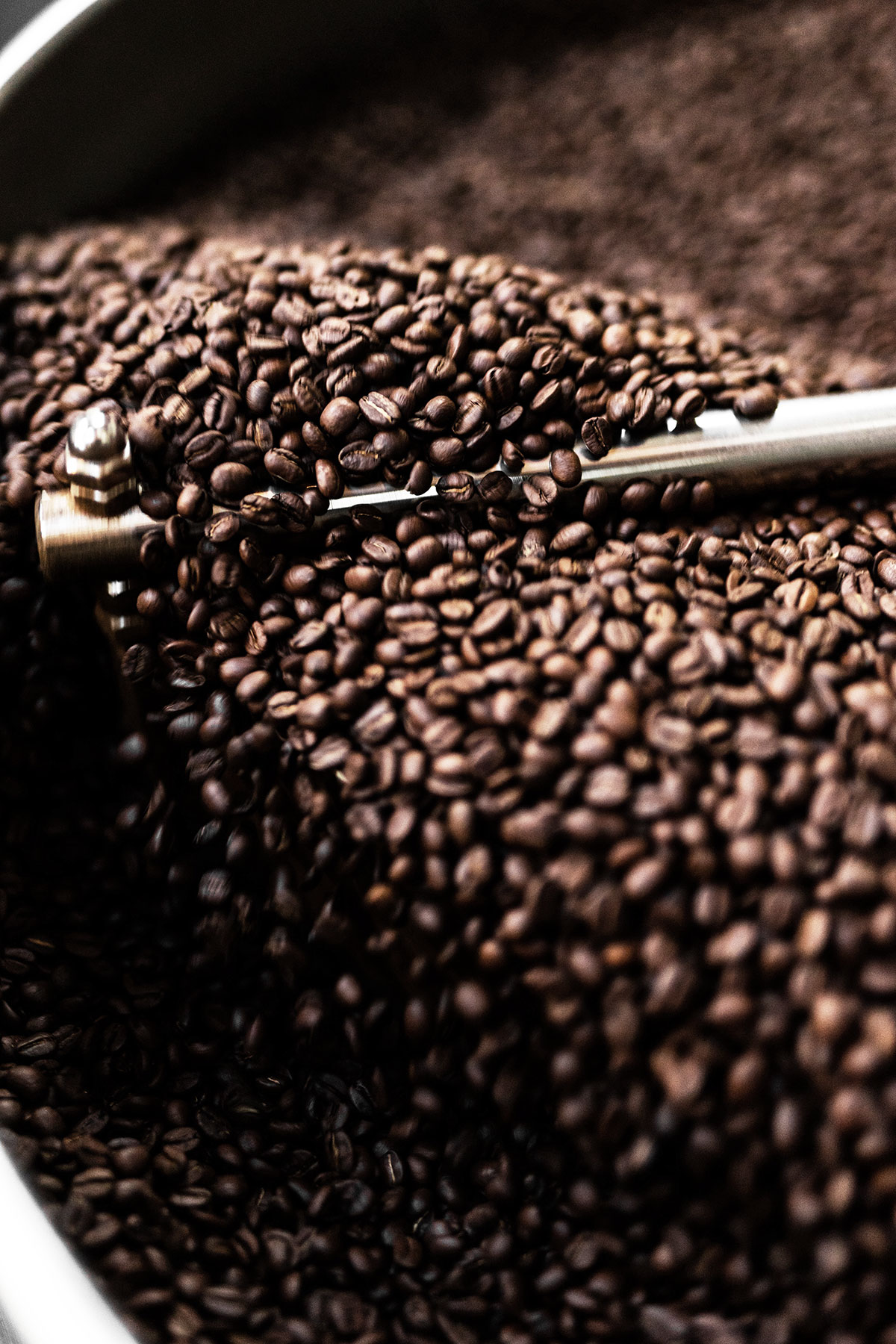

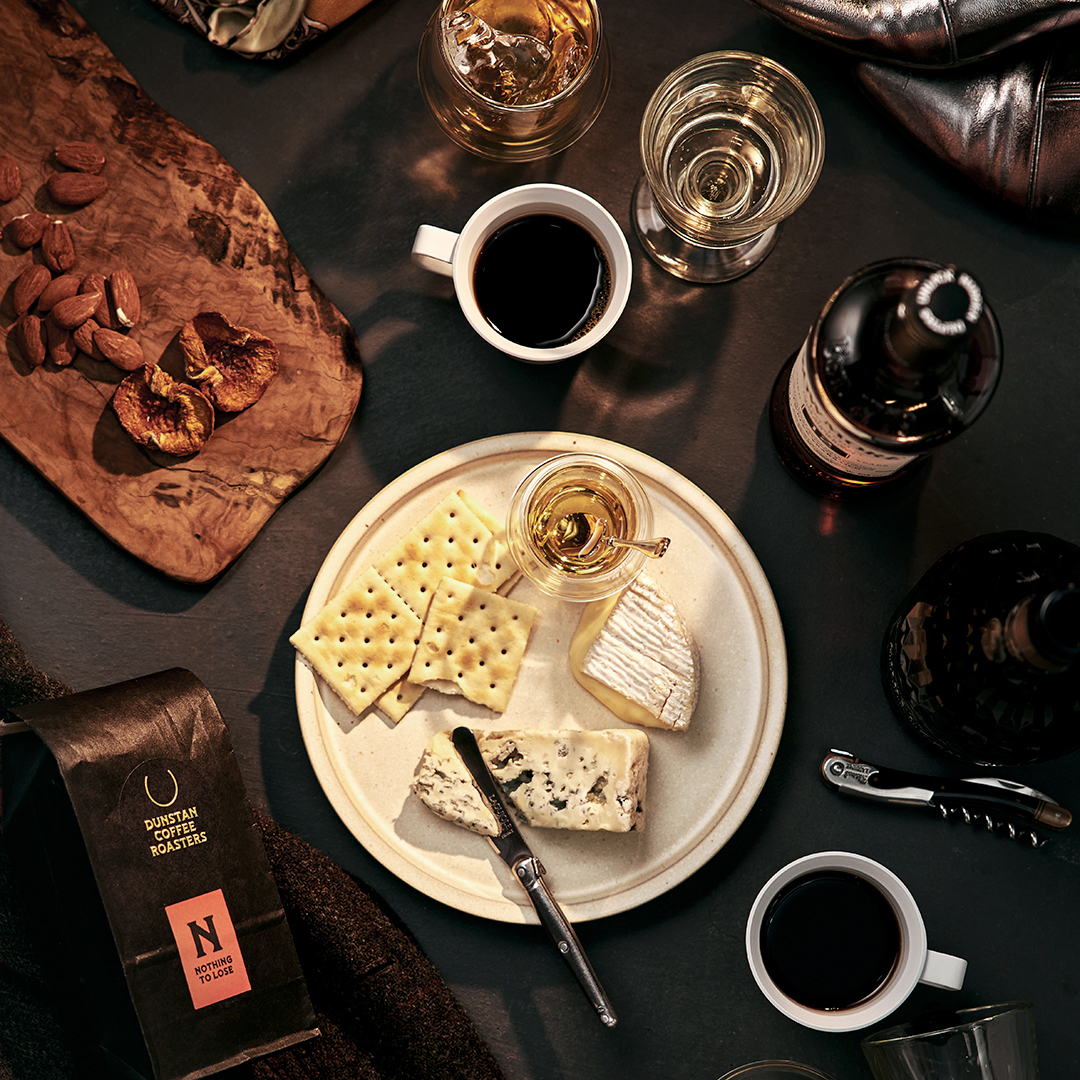
Long ago, in Yemen, a holy man named Omar was falsely blamed for a crime and exiled into the rugged mountains near Mocha. Starving and thirsting, he came upon an unfamiliar red berry. Eating it carried no guarantee of safety — bitter, unknown, uncertain. And yet there was hardly any other path left to him. Eat, or starve. He chose to boil the berries and drink what came of it.
When there’s nothing left to lose, people make choices they would never otherwise make. To Omar, that cup could have been poison. He drank it anyway. As it turned out, that single cup kept him alive — and in time, it made its way to the people of Mocha, becoming, by one account, one of the origins of coffee culture itself.
The view on the other side of a leap is often better than the view from where you stood hesitating. Test every bridge too carefully, and you’ll end up crossing very few of them. What Omar had wasn’t certainty — only the resignation that comes from having nothing left to lose.
When fear of failure keeps you frozen in place, it’s often because you’ve overestimated just how much you actually stand to lose. More often than not, there’s less at stake than it seems.
Nothing to lose. Not the worst way to approach something.